Common problems with garden access for Kensington gardeners
Posted on 27/11/2026
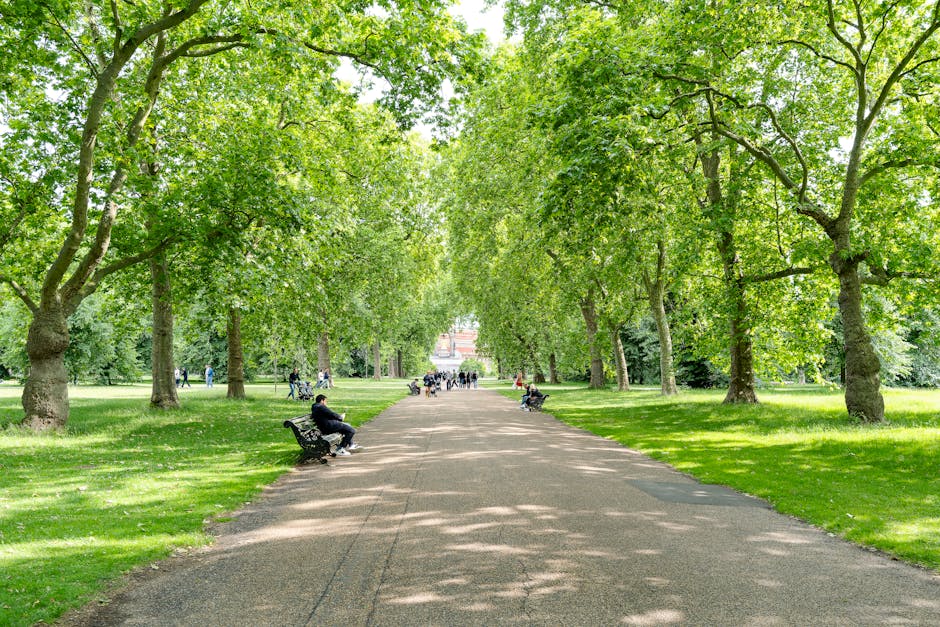
If you garden in Kensington, you already know the setting can be lovely and slightly awkward at the same time. Behind elegant facades and compact terraces, access can be the part that slows everything down: narrow side returns, shared passageways, heavy pots that need carrying through the house, and gates that look innocent until you try to get a mower through them. Common problems with garden access for Kensington gardeners are not just a nuisance; they shape what can be planted, how maintenance is done, and whether a job feels simple or mildly impossible.
This guide looks at the most frequent access issues local gardeners run into, why they matter, and what actually helps in real life. You will find practical steps, a comparison of common access methods, a checklist, and a realistic example from a Kensington-style garden. Nothing overblown. Just useful advice that makes planning and upkeep easier.
Why garden access matters in Kensington
Garden access sounds like a simple logistics issue, but in Kensington it often decides the shape of the entire project. A garden might be perfectly usable once you are inside it, yet difficult to reach with tools, soil, waste bags, ladders, or even a pair of pruning shears if the route is tight enough. That friction adds time, costs more in labour, and can limit what is realistic on a given day.
For homeowners and tenants alike, access problems can also affect safety. Slippery steps, awkward turns, low headroom, and poorly lit side paths make routine work less comfortable and more hazardous. A job that should take an hour can become a careful shuffle through a narrow corridor with a wheelbarrow that feels just a bit too wide. Not ideal, to put it mildly.
Access also influences the style of gardening that works best. If you cannot easily move large materials in and out, then lighter planting, modular containers, or a more compact scheme may be better. That is why planning access is not a side note. It is part of the garden design itself.
Expert summary: In Kensington gardens, access is rarely only about getting into the space. It affects labour, plant choice, maintenance frequency, waste removal, safety, and the overall cost of keeping the garden looking good.
How garden access problems usually show up
Most garden access issues fall into a few familiar patterns. Some are physical, some are practical, and some are about permission. The tricky bit is that they often overlap.
Narrow access routes
Many Kensington properties have slim side passages or shared routes that were never designed for modern equipment. A standard mower, topsoil bags, paving slabs, hedge trimmers, or compost delivery can all become awkward if a doorway or passage is just a bit too tight. Even when the dimensions are technically enough, the turning space may not be.
Stepped or uneven access
Steps, changes in level, sunken yards, and old paving create a simple problem with a messy outcome: moving materials becomes slow and tiring. A small load carried repeatedly is still a small load, but after several trips it starts to bite. That is where jobs run over time and the garden crew gets worn out before the work really begins.
Shared access and neighbour considerations
Some gardens can only be reached through shared hallways, side gates, or passageways. That means coordination matters. Someone may need to unlock a gate, move bins, or keep a route clear. If this is not agreed in advance, the whole visit can stall while everyone stands around waiting. Not exactly the glamorous side of gardening.
Restricted vehicle access
In parts of Kensington, parking and loading are a practical puzzle all by themselves. If a van cannot stop nearby, then carrying equipment from the vehicle to the site becomes part of the job. That can affect pricing, timing, and how much can be done in a single visit. It is worth being honest about this at the planning stage.
Limited storage inside the garden
When there is nowhere to keep materials, tools, or waste, work has to be staged carefully. The same is true if the garden is very small and every corner is already spoken for. In those cases, lighter tools and smaller deliveries tend to work better than a "bring everything at once" approach.
Access blocked by planting or structures
Overgrown hedges, ivy, awkward fencing, tired decking, or a cluttered patio can create a hidden access issue. A path may exist on paper but not in practice. If you have ever tried to squeeze through a passage while carrying a bag of bark chippings, you will know exactly what that feels like.
Weather made access worse
Rain turns smooth paving into a slip risk, while winter light makes corners feel tighter and less forgiving. Kensington gardens are not immune to this. In fact, damp weather can expose access issues you barely notice in summer. This is one reason weather-resilient garden planning is more than a nice idea; it is a practical safeguard.
Why solving access issues pays off
Fixing access problems does more than make the next visit easier. It changes how the garden functions over the long term.
- Lower labour strain: less carrying, fewer awkward lifts, and fewer delays mean the work can be done more efficiently.
- Better plant care: when access is easier, pruning, feeding, watering, and seasonal maintenance happen on time.
- Safer working conditions: clear routes and sensible staging reduce trips, slips, and heavy lifting risks.
- Cleaner finishes: materials can be moved without trampling borders or dragging soil through the wrong areas.
- More design flexibility: once you know how access works, you can choose planting and structures that suit the space rather than fight it.
- Less stress for everyone: homeowners, neighbours, and contractors all have a calmer experience when the route is planned properly.
There is also a subtle benefit that people often overlook: confidence. If access is sorted, you are more likely to keep on top of the garden rather than postponing tasks until they become overwhelming. Small jobs stay small. That alone is worth a lot.
For compact spaces, a re-think can also lead to more resilient planting choices. A garden that is hard to reach may be a good candidate for container gardening, simple structure, and easier maintenance routines. That does not mean compromising style. It means designing with reality in mind, which is usually where the better gardens begin.
Who this is for and when it makes sense
This topic matters for a wide range of people, not only full-time gardeners. In fact, some of the most common access headaches show up in perfectly ordinary homes where the garden is small, shared, or tucked away behind the property.
- Homeowners with narrow side access who need regular garden maintenance, hedge cutting, or lawn care.
- Tenants or leaseholders dealing with shared gates, communal passageways, or limited storage.
- Families who need safe routes for pushing prams, moving play equipment, or carrying compost and tools.
- Pet owners who want to keep routes clear and reduce disruption for dogs, gates, and routine access.
- Older residents who may need lighter, simpler maintenance because carrying loads through the house is no longer practical.
- Property managers and landlords who want to avoid damage, delays, or neighbour complaints during maintenance work.
It makes sense to think about access whenever you are planning a garden makeover, a new maintenance routine, or a larger project like fencing, decking, or landscaping. Truth be told, people often only discover the access issue after the first delivery arrives. By then, everyone is improvising.
Step-by-step guidance
If you are trying to improve garden access in a Kensington property, a sensible sequence helps more than guesswork. Here is a practical approach that works well.
- Map the actual route. Walk the full journey from street to garden with an honest eye. Measure gate widths, passage widths, step heights, tight turns, and any low overhead points.
- Identify the bottlenecks. Notice where movement slows down. Is it the gate latch, the hallway, a corner turn, or a steep step? Sometimes the smallest detail is the real culprit.
- Separate people access from material access. You may be able to walk through easily while bags of soil, wheelbarrows, or a mower struggle. Those are different tests.
- Clear permanent clutter first. Old pots, broken furniture, stored timber, and overgrown edges often make a narrow route feel even tighter.
- Choose the right tools and load sizes. Smaller containers, folding tools, lighter bags, and modular deliveries can make a big difference.
- Plan staging points. If the garden is hard to reach, decide where materials can be placed temporarily without blocking the whole route.
- Think through waste removal. Green waste and old materials need a route out as well as in. That part gets forgotten surprisingly often.
- Review safety and permissions. If you share access with neighbours or building management, check the practical arrangements before work starts.
- Adjust the garden plan if needed. If access is consistently poor, choose lower-maintenance layouts, lighter materials, or more compact planting structures.
A small but helpful habit: take photos before the job starts. They make it easier to explain the route, spot obstacles, and remember what was clear and what was not. Simple, but useful.
Expert tips for better results
In our experience, the best access solutions are usually the least dramatic ones. You do not always need a full rebuild. Often, smart trimming, careful layout changes, and better sequencing are enough.
Keep the route genuinely clear
A route that is technically passable but annoyingly cluttered will still slow the job down. Keep gates working smoothly, store tools out of the way, and trim anything that catches sleeves, bags, or handles. If hedges or climbers are encroaching, a tidy back of the route can make a bigger difference than people expect. If overgrowth is the issue, professional hedge trimming in Kensington can help restore proper access without wrecking the shape of the planting.
Use lighter, modular, or split deliveries
For soil, gravel, compost, and plants, smaller deliveries are often easier than one large drop. The garden may take a little longer to complete, but the route becomes manageable and the risk of damage drops.
Think vertically where ground space is tight
If access is limited and the garden is also compact, vertical planting can reduce clutter on the floor and leave routes open. It is not a magic fix, but it does help make a small space feel less crowded. A practical starting point is designing a vertical garden to free up more usable ground area.
Prioritise hardwearing surfaces where people actually walk
Loose gravel, uneven slabs, and worn timber can all complicate access. If a path is slippery or unstable, it creates hesitation. And hesitation makes a narrow route feel even narrower. Repairing or replacing the worst section can be more valuable than touching every corner.
Trim before you need to squeeze through
That slightly overgrown shrub by the gate? It matters. So does the climber that leans into the pathway every wet Monday morning. Cut back access edges before they become a daily irritation.
Match maintenance style to access reality
If the route is awkward, high-effort garden styles can become burdensome fast. Low-maintenance planting, lighter pots, and resilient ground cover can reduce the number of trips needed each season. A useful companion read is low-maintenance garden hacks, especially if you want easier routines rather than more weekend chores.

Common mistakes to avoid
Access problems often get worse because people unintentionally design around optimism. It happens. A lot.
- Measuring the gate, not the full route. The gate may be fine, but the corner turn might be the real issue.
- Ignoring waste removal. If materials can go in but waste cannot come out, the job is unfinished from day one.
- Assuming "small" equals "easy". A tiny space can still have brutal access if the route is tight or shared.
- Letting plants block access. Fast-growing shrubs and climbers can quietly claim the route you need to use later.
- Overbuying materials at once. It feels efficient, but not if the garden can only absorb a little at a time.
- Forgetting neighbour coordination. Shared access without clear communication is where avoidable friction begins.
- Choosing plants that need constant fiddling. If access is hard, high-maintenance choices soon become a burden. A little planning goes a long way.
There is another one worth saying plainly: do not leave awkward access to "sort itself out". It never does. It just becomes the reason a job gets postponed twice.

Tools, resources and recommendations
The best tools for difficult access are often the simple ones. You do not need a warehouse full of kit; you need the right kit for the route you actually have.
- Foldable or compact tools for pruning, edging, and light maintenance.
- Smaller bags or tubs for compost, mulch, and soil so loads can be split safely.
- Wheelbarrows or garden carts that fit the route and can turn without scraping walls.
- Protective gloves and sturdy footwear for slippery paving, steps, and narrow passageways.
- Good outdoor lighting if the route is dim or shaded.
- Temporary floor protection for internal routes when materials must pass through the house.
- Clear labels and staging plans for jobs involving multiple loads or delivery drops.
If you are planning a bigger redesign, useful reading includes where to start with a garden makeover and a guide to essential gardening equipment. Those kinds of articles help when you are deciding whether the access route can support the style of work you want.
For bigger property changes, services that improve the physical layout may be worth considering too. Fencing, decking, landscaping, and patio work can all affect how people move through a garden, so it helps to plan them together rather than one at a time. Otherwise you end up solving the same problem twice. A bit annoying, really.
Law, compliance and best practice
Garden access does not usually involve complex legal issues on its own, but there are still sensible standards and responsibilities to keep in mind. In UK settings, the main thing is to avoid causing harm, damage, or avoidable nuisance while carrying out the work.
If you share access with neighbours, leaseholders, or building management, make sure you have permission to use the route you plan to use. That sounds obvious, yet it is one of the easiest things to overlook when everyone is trying to be efficient.
For contractors and property owners, good practice usually includes the following:
- keeping routes clear and safe before work begins
- reducing trip hazards such as loose tools, hoses, and debris
- using manageable loads when carrying materials through tight spaces
- protecting internal floors and communal areas where needed
- communicating timing and access arrangements in advance
- respecting neighbours and shared spaces
Safety matters too. If a route involves heavy lifting, awkward steps, or slippery surfaces, the work should be planned in a way that reduces strain and accidents. A good contractor will think about this before the first bag of compost is moved. You should be able to see that care in the way they set up, not just in the final result. For general service standards and risk awareness, it is worth reviewing the company's health and safety policy and insurance and safety information, along with practical details such as accessibility guidance.
One more thing: good access planning is also a trust issue. If a company explains how they will move materials, protect surfaces, and handle shared routes, that is a strong sign they understand real-world work rather than just selling the dream.
Options and comparison table
When garden access is difficult, there is rarely one perfect fix. The best option depends on how tight the route is, what needs to be moved, and how often the garden is maintained.
| Access option | Best for | Pros | Limitations |
|---|---|---|---|
| Keep the existing route but organise it better | Minor clutter, small gardens, regular maintenance | Low cost, quick to implement, minimal disruption | May not solve structural tightness or steep steps |
| Use smaller tools and split deliveries | Narrow gates, limited carrying space, soft landscaping jobs | Reduces strain and damage risk | Takes more trips and can slow the job slightly |
| Improve access surfaces and lighting | Slippery paths, dim routes, uneven stepping areas | Safer and more comfortable year-round | May require more upfront work |
| Change the garden layout | Very compact gardens or long-term redesigns | Can create lasting ease of use | Needs planning and may affect the whole design |
| Choose low-maintenance planting | Gardens that are hard to reach often | Less frequent intervention needed | May limit some high-detail display planting |
The table is not about making everything easier instantly. It is about choosing the least frustrating route for your situation. Sometimes that means changing the garden. Sometimes it just means changing how you work in it. Sensible either way.
Case study or real-world example
Here is a realistic Kensington-style scenario. A small rear garden sits behind a mid-terrace property with access through a narrow side passage. The passage is usable, but only just. A standard mower is awkward, bags of soil need to be carried one at a time, and the gate catches on a hedge that has slowly grown into the route.
The first instinct is often to push through and keep going. Yet once the team pauses and looks at the route properly, the real problem becomes clear: it is not the garden itself, it is the way everything enters and leaves it. The solution is straightforward but not flashy. The hedge is cut back, the passage is cleared, materials are split into smaller loads, and a more compact maintenance routine is introduced. A couple of large containers replace several bulky items. The work still happens, but without the constant shuffling and stopping.
That sort of change can feel minor from the outside. Inside the garden, though, it is huge. You move from "every visit is awkward" to "this is manageable now". And once a route becomes manageable, the whole garden starts getting more attention. It really does snowball in a good way.
Practical checklist
Use this simple checklist before any garden job where access might be tricky:
- Have I measured the narrowest points on the route?
- Can tools, mowers, and waste bags fit through without forcing them?
- Are any steps, thresholds, or uneven surfaces creating a safety issue?
- Is the route clear of pots, clutter, bins, or overgrown planting?
- Do neighbours or building management need to be informed?
- Have I planned how materials will get in and waste will get out?
- Would smaller loads or compact tools make the job easier?
- Does the garden layout need adjusting to improve long-term access?
- Have I checked lighting and wet-weather slip risks?
- Is there enough room to stage work without blocking the whole route?
If you can answer most of those with confidence, you are in much better shape. If not, that is fine too. You have just found the issues before they caused trouble, which is exactly the point.
Get a free quote today and see how much you can save.
Conclusion
Garden access is one of those things people only think about when it starts making life difficult. In Kensington, though, it often sits at the heart of every maintenance decision. Narrow passages, shared routes, heavy materials, awkward steps, and overgrown edges can all slow work down and limit what is realistic. But once you understand the route properly, the fixes are usually practical and manageable.
The best results come from honest planning. Measure the route. Clear what needs clearing. Choose the right tools. Simplify the layout where necessary. And if the access problem is tied to the shape of the garden, use that as a design clue rather than an annoyance. There is nearly always a way to make the space easier to live with.
So, if your garden feels a bit hard to get to at the moment, do not treat that as a permanent flaw. It is often just a design problem waiting for the right fix. And once access improves, everything else tends to feel lighter too.

Drawing upon his expertise as a gardening manager, Sam has aided numerous customers in realizing their dream garden designs. His articles emphasize sustainable gardening practices and convenient service offerings.